Table of Contents
ToggleA Ring doorbell sits at the intersection of convenience and home security, two things every homeowner cares about. Whether you’re concerned about package theft, want to screen visitors before opening the door, or simply prefer checking on deliveries from your phone, a Ring doorbell delivers practical value that justifies the investment. This guide walks you through what a Ring doorbell actually does, how to install one yourself, and how to integrate it into your existing smart home setup. Think of it as the digital equivalent of a peephole that works even when you’re not home.
Key Takeaways
- A Ring doorbell combines security and convenience by sending motion-triggered video alerts to your smartphone, allowing you to monitor your front door remotely from anywhere.
- Ring doorbell installation is DIY-friendly and takes just 15–30 minutes with basic tools like a screwdriver, making it one of the easiest smart home projects for homeowners.
- Two-way audio and smart notifications let you speak to visitors and customize alerts by motion zone or person detection, eliminating false alerts from animals or leaves.
- Integrating your Ring doorbell with Alexa-enabled devices enables automatic video display on smart displays and automation routines like turning on porch lights when motion is detected.
- Most Ring models record in 1080p HD with infrared night vision for clear footage in any lighting condition, and optional Ring Protect plans starting at $3.99/month unlock continuous recording and advanced features.
- Battery-powered Ring doorbells require recharging every 6–12 months, while wired models draw power from your existing doorbell circuit with minimal maintenance needed.
What Is A Ring Doorbell and How Does It Work?
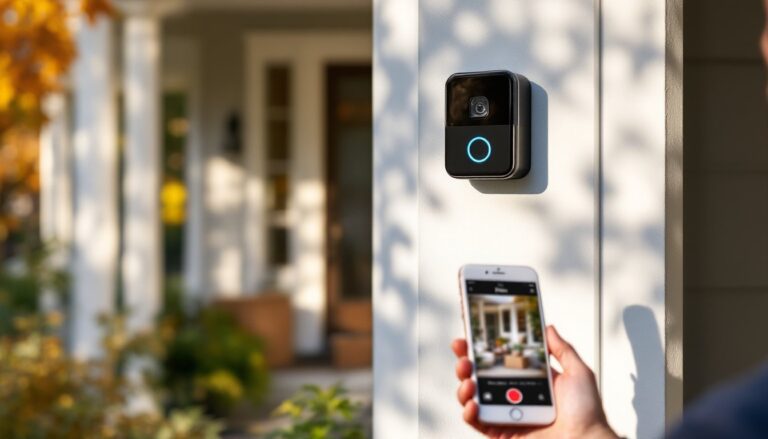
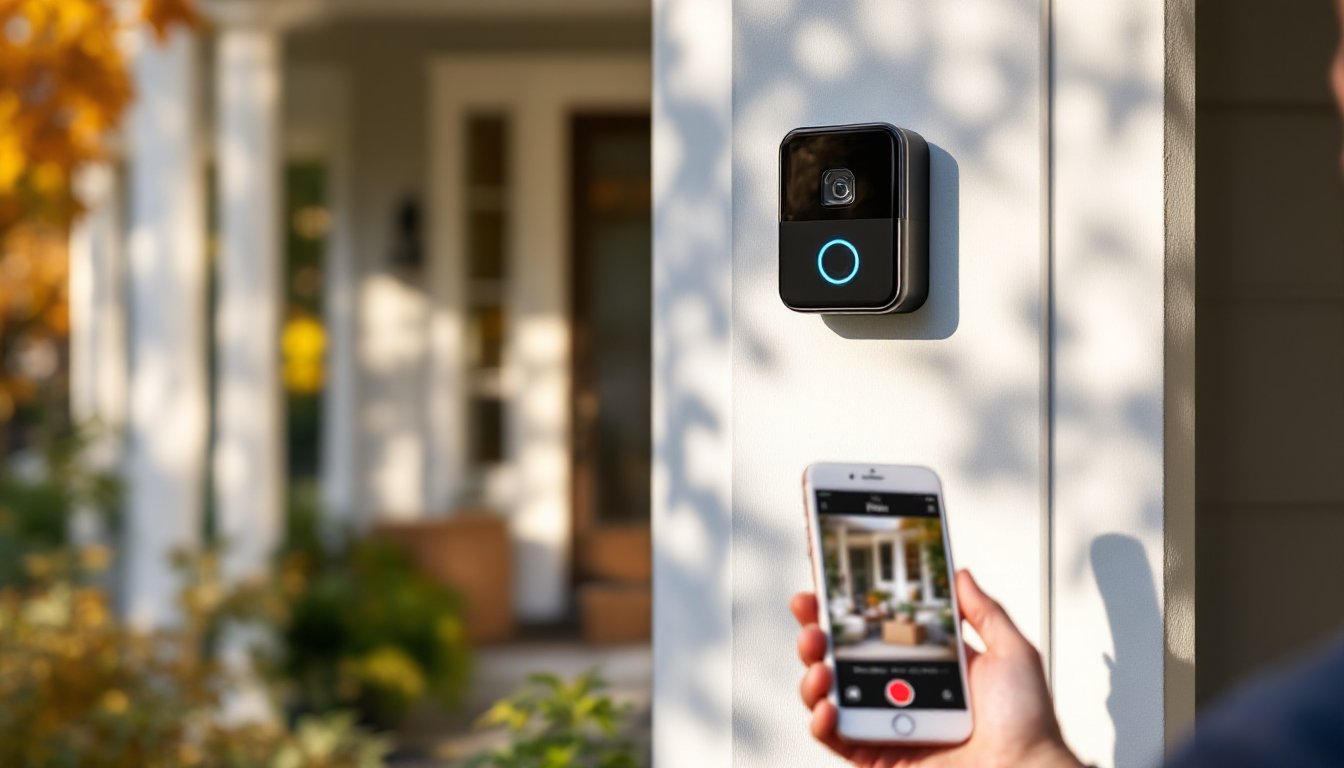
A Ring doorbell is a battery-powered or wired video camera designed to replace or supplement your traditional doorbell. Instead of ringing a chime, it sends motion-triggered video alerts directly to your smartphone, tablet, or connected display. When someone presses the button or approaches your door, you get an instant notification, whether you’re in the backyard, at work, or on vacation.
The device connects to your home WiFi network and streams live video to the Ring app. You can view the footage in real time, speak to visitors through the built-in microphone and speaker, and save recordings to the cloud for later review. It’s essentially a security camera and intercom system combined into one compact unit mounted at your entrance. The simplicity is the point: no complicated setup, no professional monitoring fees required (though Ring offers paid plans for enhanced features), and full control from your phone.
Key Features That Make Ring Doorbells Worth the Investment
Ring offers several models at different price points, but the core features that matter most appear across the lineup.
Video Quality and Night Vision Capabilities
Most Ring models record in 1080p HD, which is clear enough to identify a face or read a package label in daylight. The infrared night vision automatically activates in low light, giving you usable footage even in pitch-black conditions. This matters more than you’d think if you’re often away when the sun sets or if your porch lacks good lighting. Some higher-end models add color night vision, which preserves colors in low light, helpful for spotting what color jacket a visitor wore or reading a package label at night. The wide-angle lens (typically around 160 degrees) captures most of your front porch without blind spots, though it does create the curved “fisheye” effect you’ll see in the preview.
Two-Way Audio and Smart Notifications
The two-way audio feature means you can speak through the doorbell using the Ring app. If a package arrives and you’re home, you can greet the delivery person. If someone’s on your porch when you’re away, you can tell them to leave or that the homeowner is watching. It’s louder and clearer than you’d expect from a doorbell-sized speaker. Smart notifications let you customize how and when the doorbell alerts you, by motion zone, person detection, or other triggers. This prevents the constant pings from every leaf blowing across your porch. The device learns the difference between a person, vehicle, or animal, so you get relevant alerts rather than every motion event.
Installation and Setup: A DIY-Friendly Process
Installing a Ring doorbell is straightforward for most homeowners and ranks among the easiest smart home projects. You’ll need a screwdriver, the Ring app installed on your phone, and about 15–30 minutes.
Before you start: Turn off power to your existing doorbell at the breaker (if you have a wired model). This is a safety and liability issue, don’t skip it. If you’re installing a battery-powered Ring, you can skip this step entirely.
Remove your old doorbell by unscrewing the button unit from the wall. You’ll see two low-voltage wires running behind it (typically labeled 16V). If you’re going wired, strip about 1/2 inch of insulation from each wire and insert them into the terminal slots on the back of the Ring unit. If you’re going battery-powered, you don’t need these wires, just remove the old unit.
Position the Ring at a height where it captures faces clearly (typically 48 inches from the floor, slightly above or below eye level). Drill two mounting holes using the included template, insert the wall anchors if you’re drilling into drywall, and screw the Ring firmly to the wall. Make sure it’s level and won’t move when someone presses the button.
Fire up the Ring app, select Set Up a Device, and follow the on-screen prompts to connect to your WiFi. You’ll be asked to name the doorbell, confirm your address, and review your video preview. The whole process is guided and takes just a few minutes. If you’re using a battery-powered Ring, insert the rechargeable battery (included) before mounting, you’ll recharge it every few months depending on activity.
Pro tip: where to buy Ring doorbell options ranges from Amazon to Best Buy, Lowe’s, and Home Depot. Most offer same-day delivery or in-store pickup, which beats waiting for shipping when you’re ready to install.
Integrating Ring Doorbell Into Your Smart Home Ecosystem
The real power of a Ring doorbell shows up when you wire it into your larger smart home setup. If you already own an Alexa-enabled device (Echo Dot, Echo Show, or similar), the Ring video feed appears automatically on your Alexa display when someone rings the doorbell or motion is detected. You can talk through the device without pulling out your phone.
You can also create automation routines. For example: when motion is detected at the front door after sunset, turn on your porch lights and receive a notification. Or, if your Ring detects a person between 8 a.m. and 5 p.m. (typical delivery hours), log the event separately from evening visitors. These routines cut down on noise and help you focus on alerts that matter.
Ring’s cloud storage plans (Ring Protect Basic or Plus) enable continuous video recording and advanced features like Person Detection, which filters out false alerts from animals or shadows. The basic plan starts at around $3.99 per month and is optional, free tier recording stops after 24 hours but still uploads important events. Comparing options, independent reviews show Ring competes well against Nest and Arlo in ease of setup and integration, though each brand has loyalty among different smart home ecosystems (Google for Nest, Apple for more premium options). The doorbell itself works fine without a paid plan, so don’t feel pressured to subscribe immediately.
Maintenance and Troubleshooting Tips
A Ring doorbell is largely maintenance-free, but a few habits will keep it running smoothly. Check the lens every month or two and wipe it clean with a dry microfiber cloth, dust, spider webs, and rain spots degrade video quality fast. If you’re in a climate with extreme sun exposure, the infrared LEDs can drift in performance over time, but this rarely affects real-world usage for the first 5+ years.
Battery-powered models should be recharged every 6–12 months depending on activity. If your doorbell starts missing motion events or video seems delayed, the battery is usually the culprit. Wired models draw power from your existing doorbell circuit, so no charging needed.
If the doorbell drops from WiFi or refuses to connect during setup, move your phone and the doorbell closer to your router to rule out signal issues. Ring requires a 2.4 GHz WiFi band, if your router only broadcasts 5 GHz, you’ll have problems. Check your router settings and enable both bands if possible. A factory reset (holding the setup button for 15+ seconds) clears connection issues, but you’ll need to re-pair it with your app afterward.
Reputable third-party reviews, including tests from leading tech publications, consistently rate Ring among the top performers for reliability and ease of use. If video stops recording or the app crashes, a simple restart of the Ring app often fixes it. Unplug the doorbell for 30 seconds if issues persist, then plug back in to force a full restart.